Dead Tree Removal in Montgomery County, PA
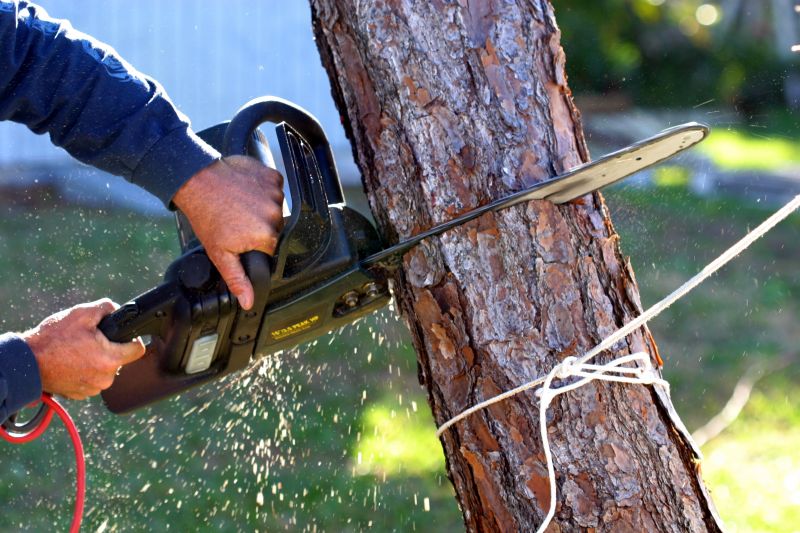
Dead tree removal services involve safely taking down and removing trees that are dead, dying, or pose a risk to property and safety. This service is often requested for trees that have become hazardous due to disease, decay, or storm damage, as well as for trees that are obstructing structures, driveways, or utility lines. Property owners should consider the size, location, and condition of the tree when requesting removal, as well as any potential impact on surrounding landscaping or structures. Proper removal can help prevent falling branches or trees that could cause damage or injury, ensuring the safety and appearance of the property.
Before requesting dead tree removal, homeowners typically want to understand the scope of the project, including whether the tree removal will involve stump grinding or disposal of debris. It’s also helpful to know if permits are required for removal in the area and how the process might affect nearby plants or structures. Clear communication about the tree’s size, location, and condition can assist in planning the safest and most efficient removal process, ensuring that property owners are prepared for the work involved.
Many property owners in Montgomery County, PA look into Dead Tree Removal for repairs, replacements, upgrades, and appearance-related improvements.
Reasons For Dead Tree Removal
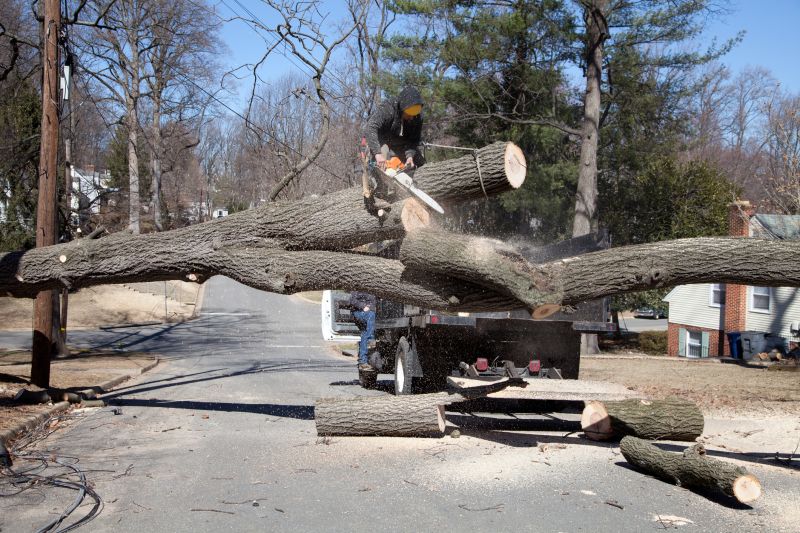
Removing dead trees can improve safety and prevent property damage in montgomery county, pa.
Signs A Tree Needs Removal
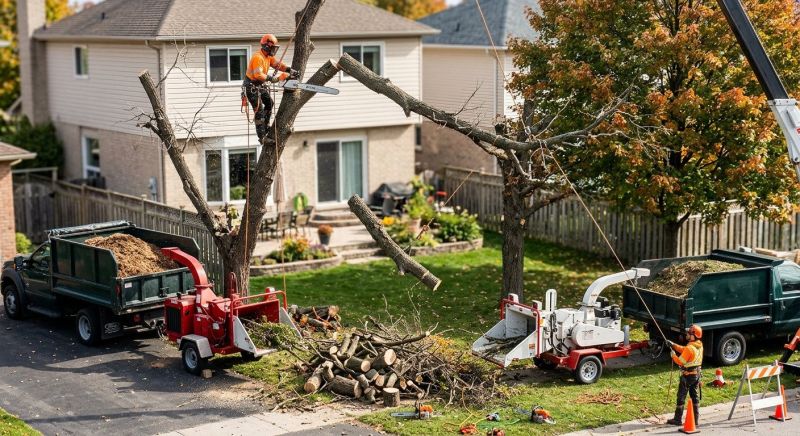
Indicators include decay, dead branches, or leaning trees that pose risks to nearby structures.
Benefits Of Tree Removal Services
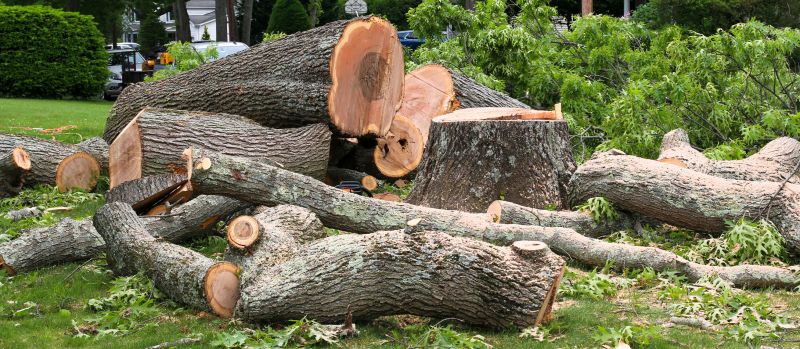
Professional dead tree removal helps maintain landscape health and enhances overall property appearance.
Dead Tree Removal in Montgomery County, PA
Dead tree removal services involve safely taking down and removing trees that are dead, dying, or pose a risk to property and safety. This service is often requested for trees that have become hazardous due to disease, decay, or storm damage, as well as for trees that are obstructing structures, driveways, or utility lines. Property owners should consider the size, location, and condition of the tree when requesting removal, as well as any potential impact on surrounding landscaping or structures. Proper removal can help prevent falling branches or trees that could cause damage or injury, ensuring the safety and appearance of the property.
Before requesting dead tree removal, homeowners typically want to understand the scope of the project, including whether the tree removal will involve stump grinding or disposal of debris. It’s also helpful to know if permits are required for removal in the area and how the process might affect nearby plants or structures. Clear communication about the tree’s size, location, and condition can assist in planning the safest and most efficient removal process, ensuring that property owners are prepared for the work involved.
Many property owners in Montgomery County, PA look into Dead Tree Removal for repairs, replacements, upgrades, and appearance-related improvements.
Common Dead Tree Removal Jobs
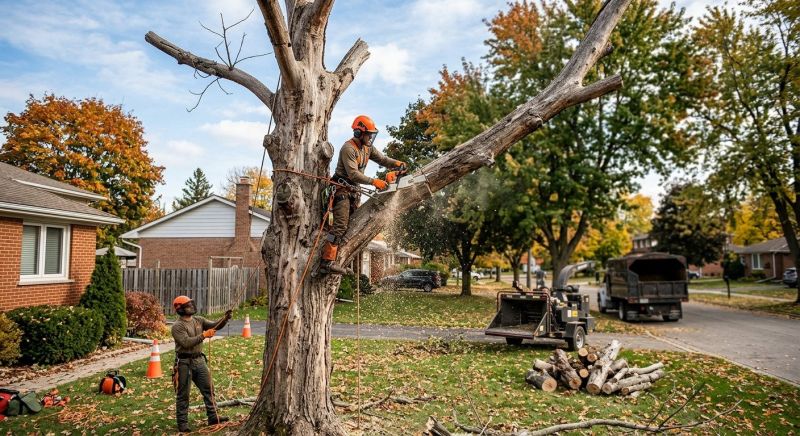
Dead tree removal involves safely taking down trees that pose a risk to property or safety.
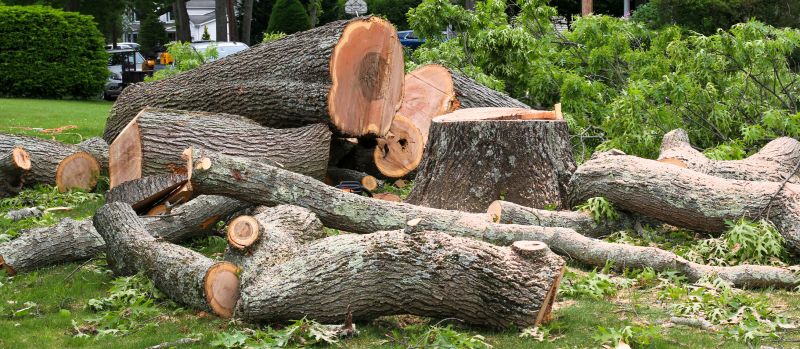
Storm-damaged tree removal addresses trees broken or fallen after severe weather events.
Hazardous tree removal removes trees with signs of disease, decay, or structural instability.
Uprooting services involve extracting trees that are too close to structures or underground utilities.
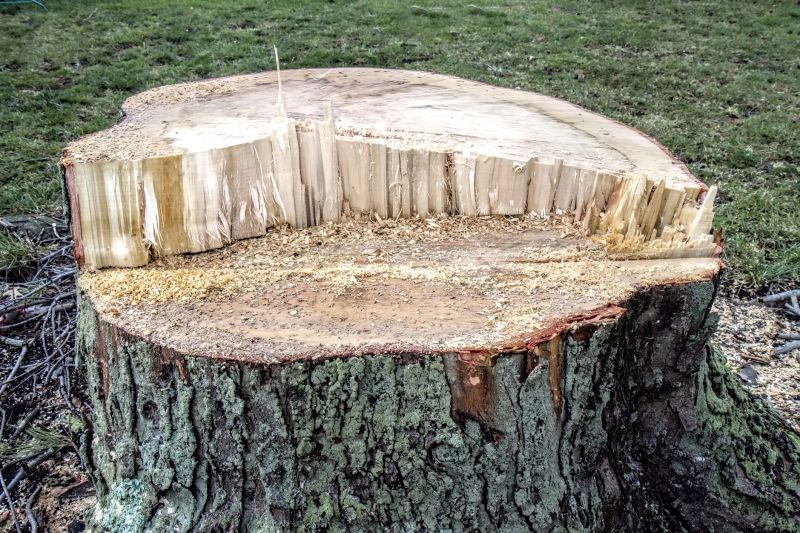
Stump grinding provides complete removal of remaining tree stumps to improve yard safety and appearance.
Emergency tree removal responds quickly to urgent situations caused by storm damage or fallen trees.
Dead Tree Removal Questions
When is dead tree removal necessary? Dead trees may pose safety risks, obstruct views, or cause damage to property and should be removed when they become unstable or hazardous.
What signs indicate a tree is dead or dying? Lack of leaves, brittle branches, discolored or peeling bark, and overall decline in health are common indicators of a dead or dying tree.
Are there any considerations before removing a dead tree? It's important to assess the tree's location, nearby structures, and root condition to determine the safest removal method and potential impact on the property.
What is the typical process for dead tree removal? The process generally involves safely cutting down the tree, removing debris, and grinding or hauling away the stump as needed.
Request Dead Tree Removal in Montgomery County, PA
Use the quote form on this page to share the basics of your project and request more information for the type of work you need.